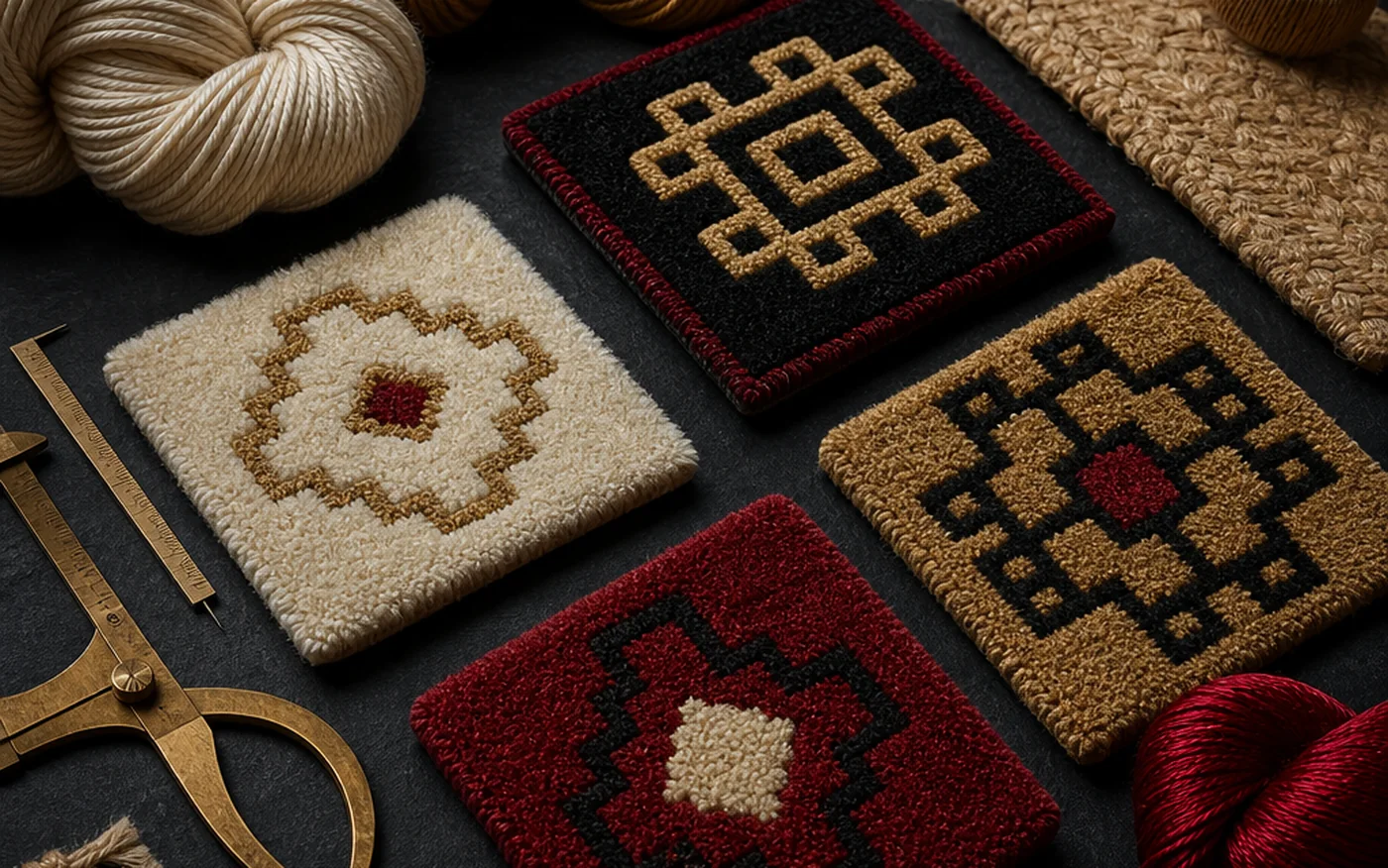
Wool and nylon have no universal advantages or disadvantages apart from usage conditions. This article sets out comparison dimensions based on space use, foot traffic, cleaning and budget, and explains that material names cannot replace samples, test materials and contractual agreements for specific models.
When replacing carpet in an operating hotel, first determine the windows during which spaces can be taken out of service, then work backward to schedule sampling, production, and site entry; this is more critical than choosing the pattern first. This article explains the coordination points in the order of design development, sample confirmation, production, and installation joint inspection, and notes that material names cannot substitute for test materials for the corresponding model and contractual agreements.
Color variation and edge finishing problems in custom carpets often stem from the sampling and sealed-sample approval stage failing to leave a verifiable baseline, rather than appearing only at installation. This article explains verification methods across 4 nodes—yarn, sample, dye lot, and finished product—and provides procurement recommendations and applicable conditions for edge finishing confirmation, batch number cross-referencing, and 3-party joint inspection.
For private-residence carpets, the recommended order of selection is to first settle location and size, then pattern and material, and finally use samples and cleaning/maintenance conditions for acceptance. This article explains the basis for trade-offs across 4 stages—spatial interview, concept proposal, sample confirmation, and delivery/maintenance—and notes that a material name cannot replace the test materials and contractual terms for the corresponding model.
The 2 craft categories are not substitutes for one another. Large-area repeating patterns and volume supply are better suited to full-width machine weaving, while irregular outlines and three-dimensional gradients shift to hand tufting. At procurement, judge each item by spatial form, pattern, schedule and budget, and model-level test materials, and lock in the result with samples and contracts.
Differences in custom carpet quotes often come from material, craftsmanship, sampling, production, and installation being priced together. This article offers a method for breaking a quote into verifiable line items, explains what evidence to look for at each stage, which items should be confirmed first, and why a material name alone cannot prove performance.
The quality of custom carpet cannot be judged by material names or showroom impressions. This article lists verifiable checkpoints across 3 stages—sample confirmation, production batch, and site arrival and acceptance—and explains what sealing samples, dye-lot records, and flame-retardant evidence can each prove and cannot prove.
Hotel carpets should not use one uniform specification throughout the property. The lobby emphasizes image and pattern alignment, the corridor emphasizes wear resistance and seams, while guest rooms emphasize resilience and cleaning maintenance. This article breaks down comparison criteria by zone, explains the applicable conditions for machine-woven and handmade processes, and provides procurement recommendations covering samples, dye-lot control, and the three-tier acceptance of fire-retardancy documentation.
When choosing a custom carpet manufacturer, first verify whether the production lines can cover the design artwork, then check design-development deliverables, sample-confirmation conditions, and batch management, and only compare pricing at the end. This article sets out a verification sequence across five groups of criteria and explains why material names and process categories alone cannot serve as proof of performance.
 ADA FLOOR