 ADA FLOOR
Open expertise
What determines custom carpet pricing?
ADA FLOOR Design Team · Published 2026-08-18 · Updated 2026-09-20
Area, pattern complexity, fibre, density, pile height, shaped edges, sampling, delivery and installation conditions all affect custom carpet pricing.
Key points
Area, pattern complexity, fibre, density, pile height, shaped edges, sampling, delivery and installation conditions all affect custom carpet pricing.
- Bring the budget into concept design early.
- Rebalance material and craft to protect the key visual effect.
- Accurate pricing requires dimensions, artwork and site conditions.
What the price actually counts
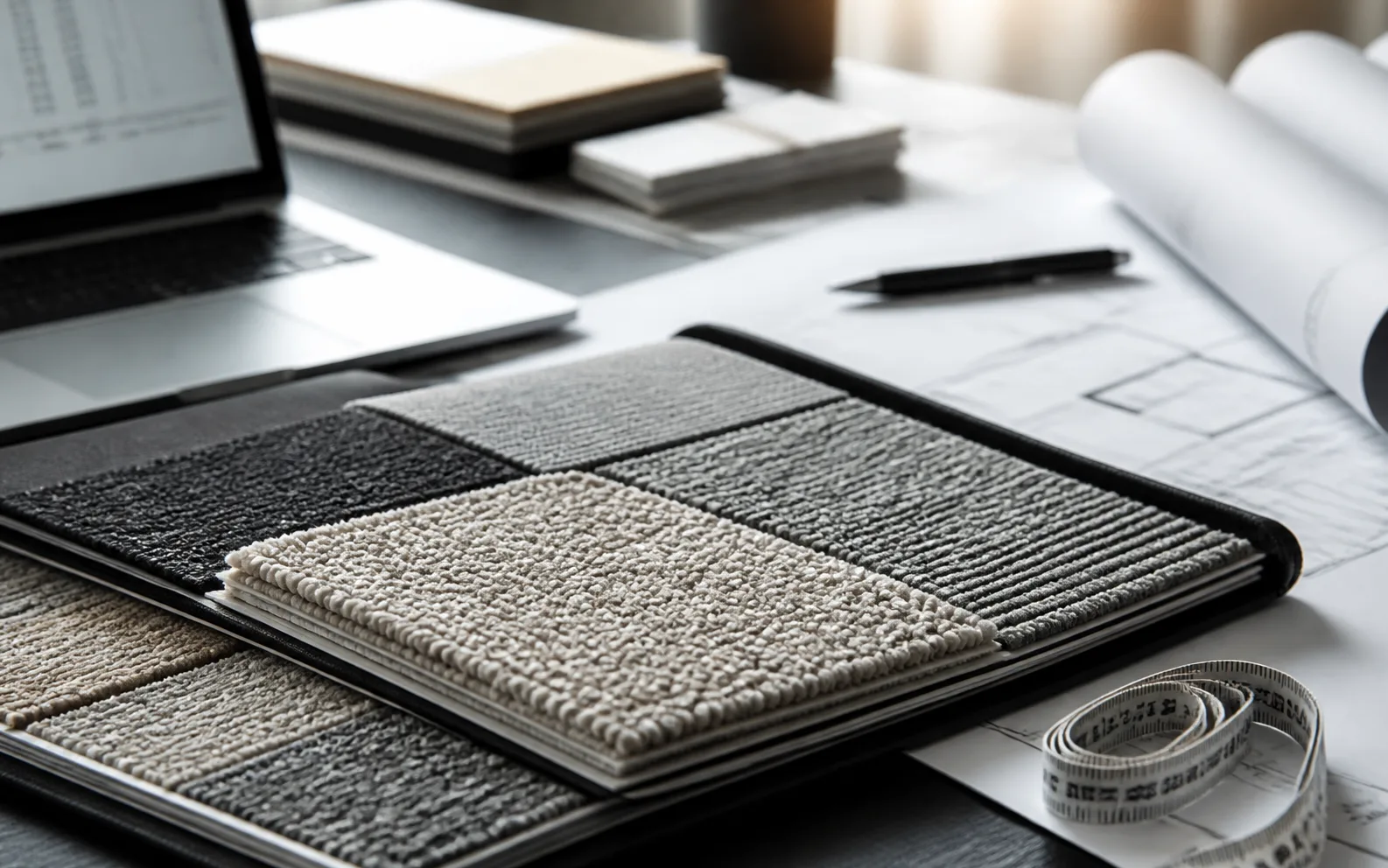
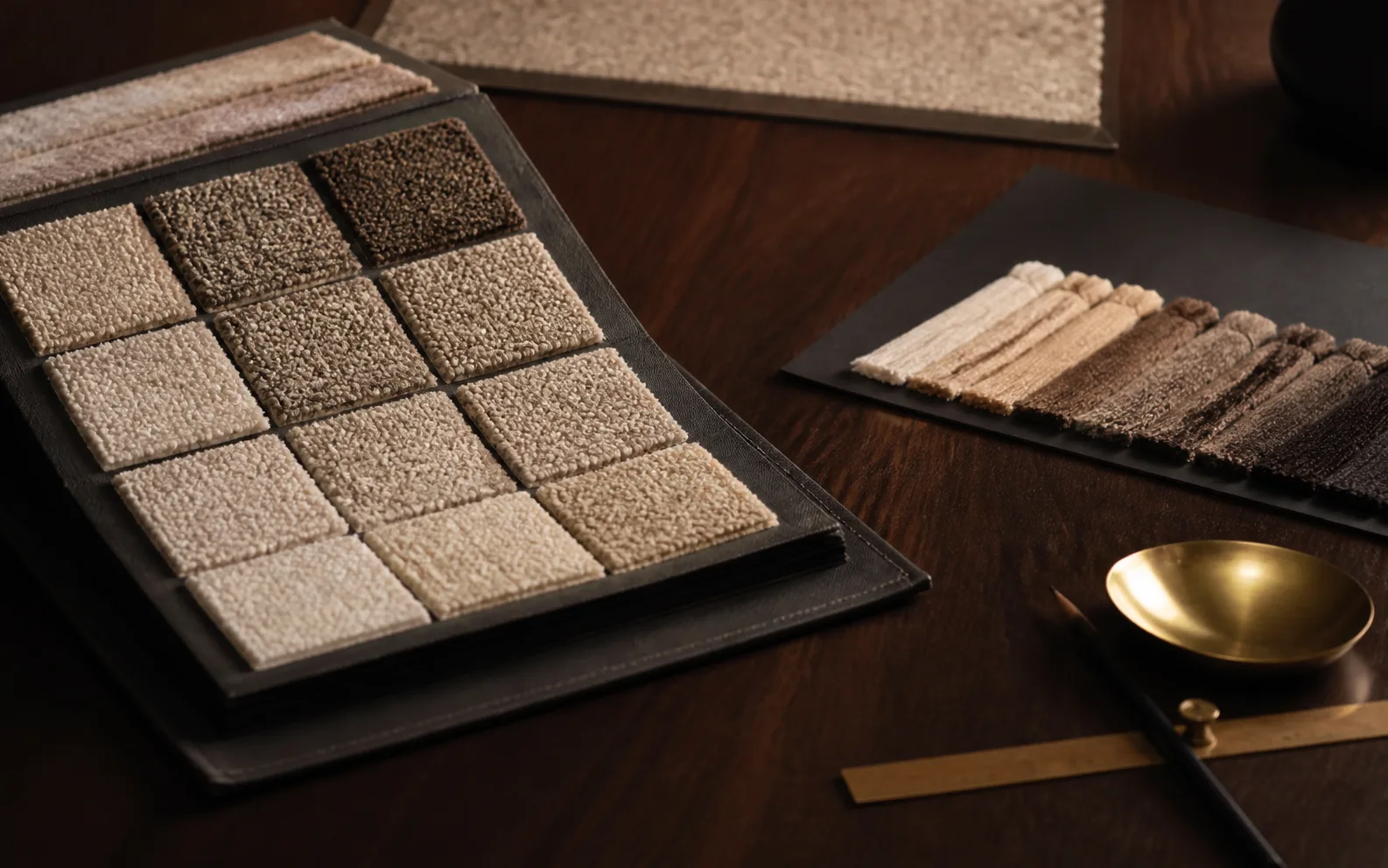
Area and waste set the floor; pattern complexity, colour count, pile levels and carving work set the ceiling. Fibre content and density lift cost directly, while shaped edges, sampling rounds and site installation are entered line by line. Wall-to-wall carpet is priced by zoning crafts, not by a flat square-metre average — the same hundred square metres specified zone by zone produces different numbers.
Put the budget in at concept stage
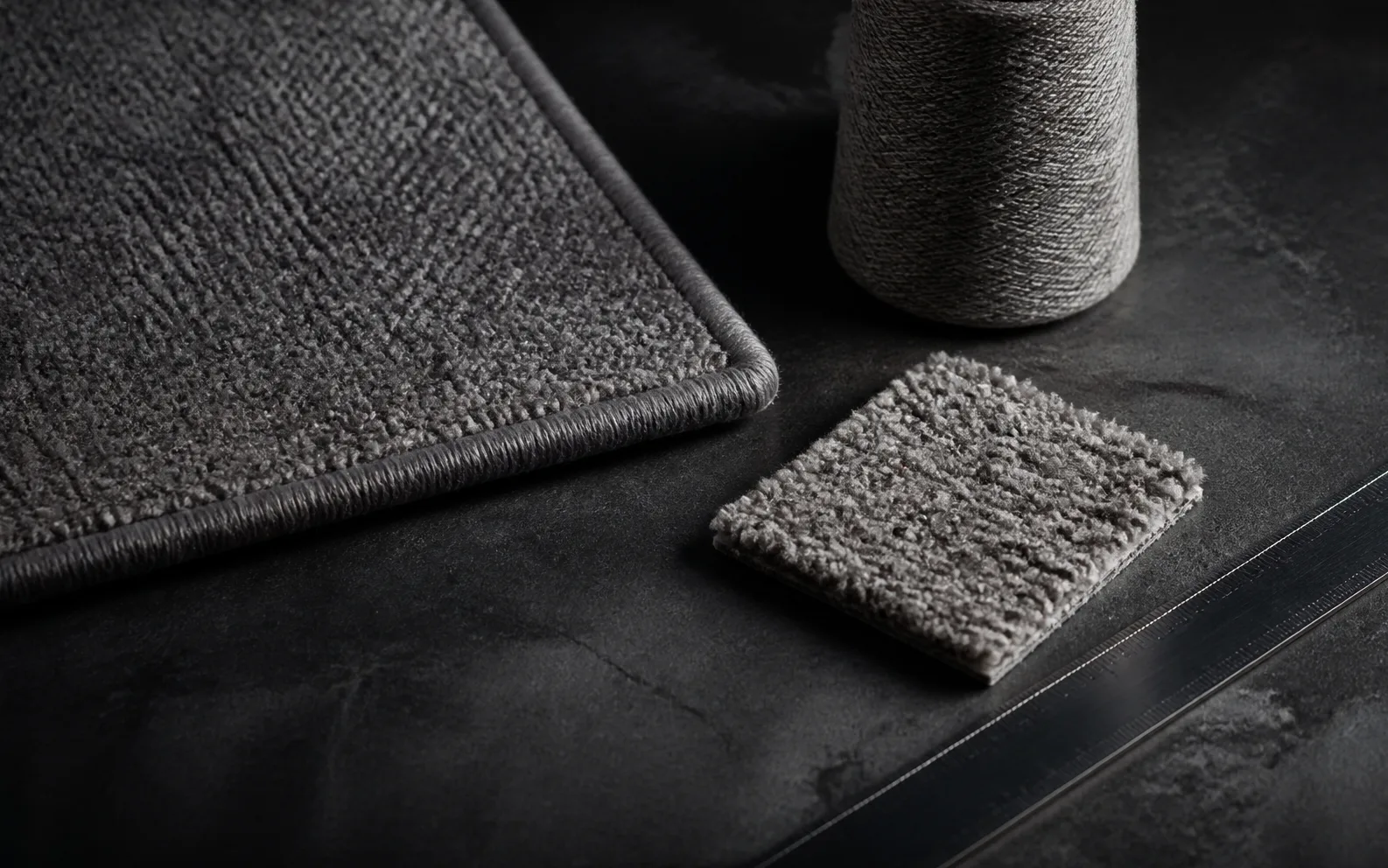
A budget that arrives at concept stage still has room to redistribute: keep hand tufting for the feature areas and move the field to high-density weaving; carry silk's sheen through a wool-silk blend and offset the density bill with fibre ratios. A budget that arrives after production is booked leaves only passive cuts — lower density, fewer samples, flatter pile.
What an accurate quote needs
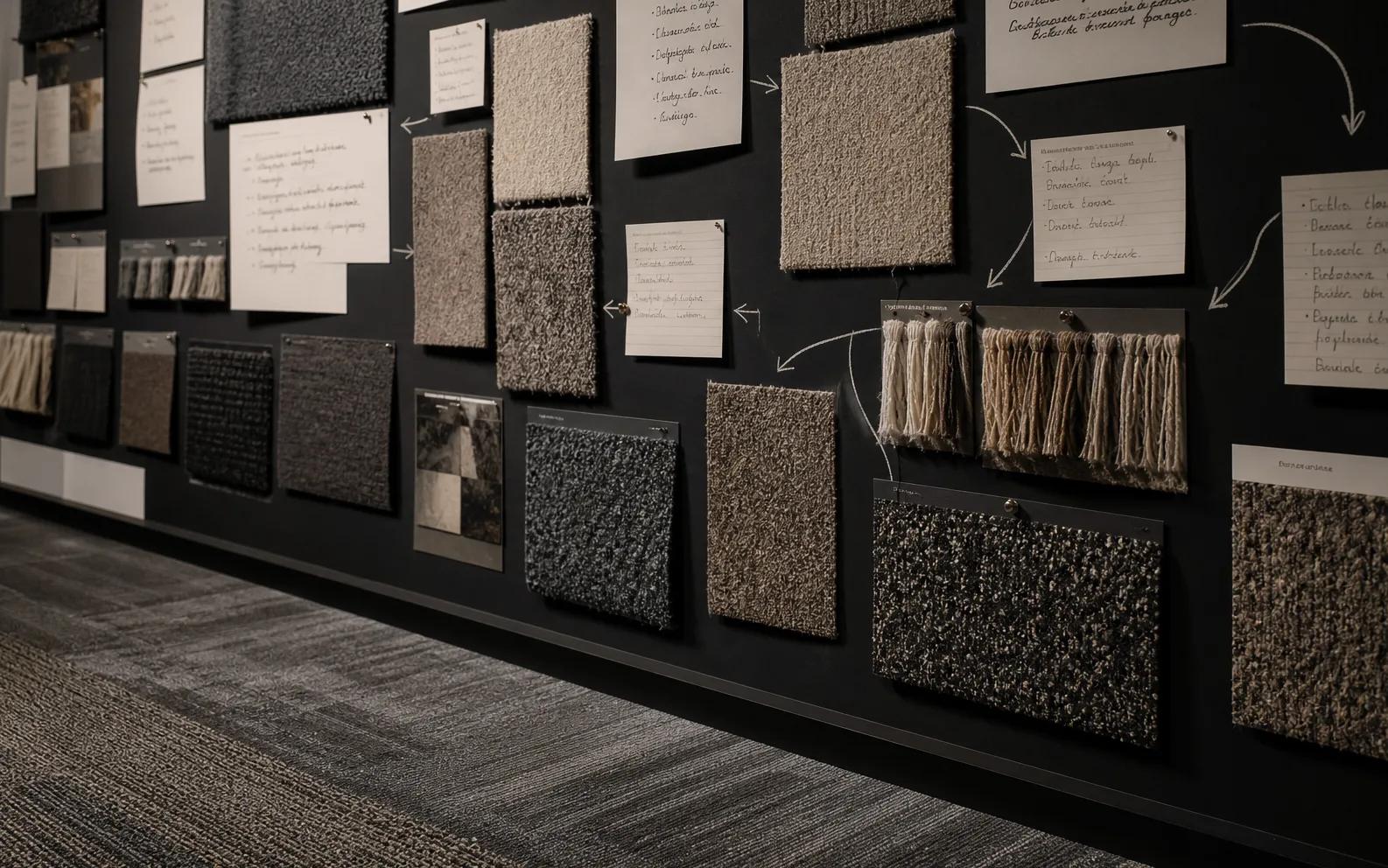
Dimensional drawings, artwork or reference imagery, target fibres, and delivery and installation conditions — with all four present, quotes become genuinely comparable. Lead times run by craft: qualifying engineered weaving in weeks, hand tufting in two to three months, hand-knotted by the quarter. To request a quote or samples, send the space type, area and artwork to adafloor@163.com.