 ADA FLOOR
Open expertise
Choosing natural-fibre carpets: sisal, jute and hand-woven
ADA FLOOR Design Team · Published 2026-09-19 · Updated 2026-09-20
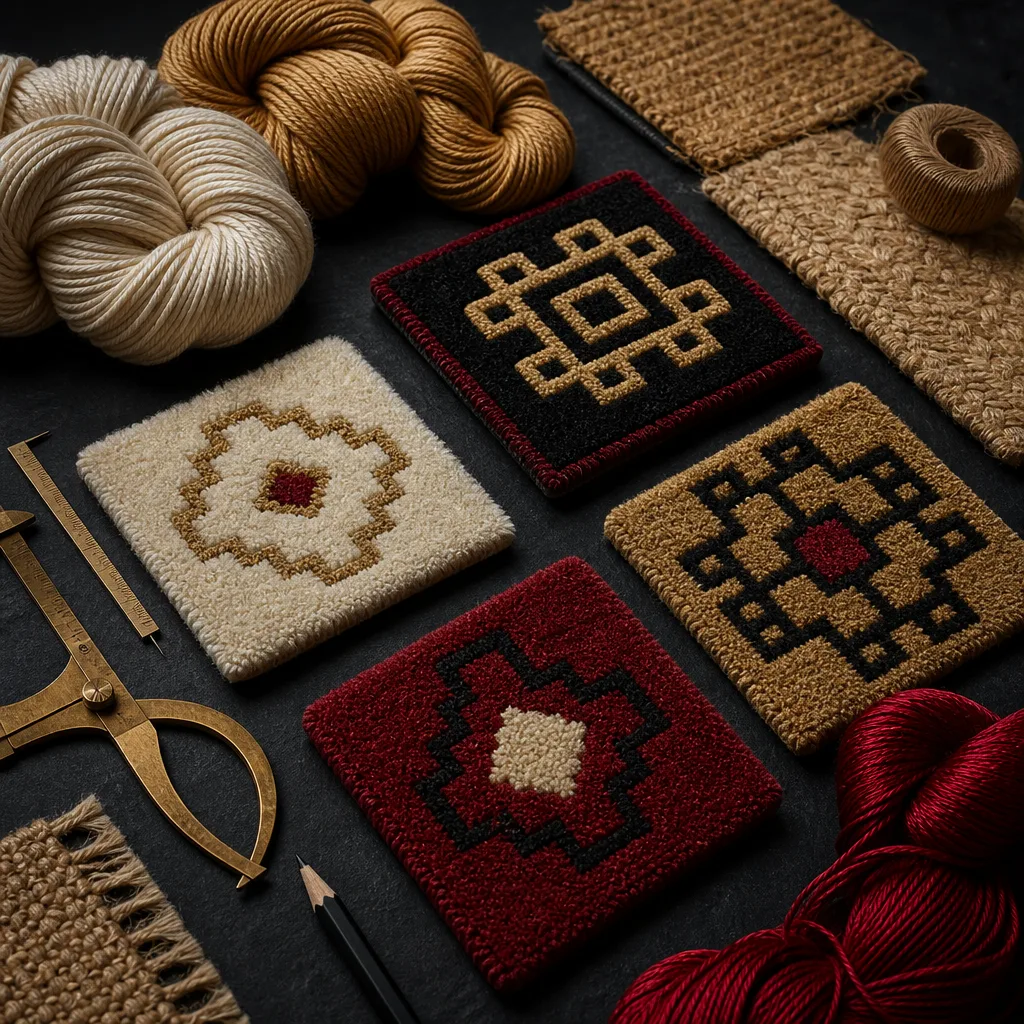
Hand-woven, sisal and jute carpets form the natural-material family — matte texture, firm underfoot, naturally humidity-buffering — suited to residences and resort projects that favour an organic feel, with a usage logic different from wool.
Key points
Hand-woven, sisal and jute carpets form the natural-material family — matte texture, firm underfoot, naturally humidity-buffering — suited to residences and resort projects that favour an organic feel, with a usage logic different from wool.
- Sisal is firm and abrasion-resistant, well suited to entrances and corridor transitions.
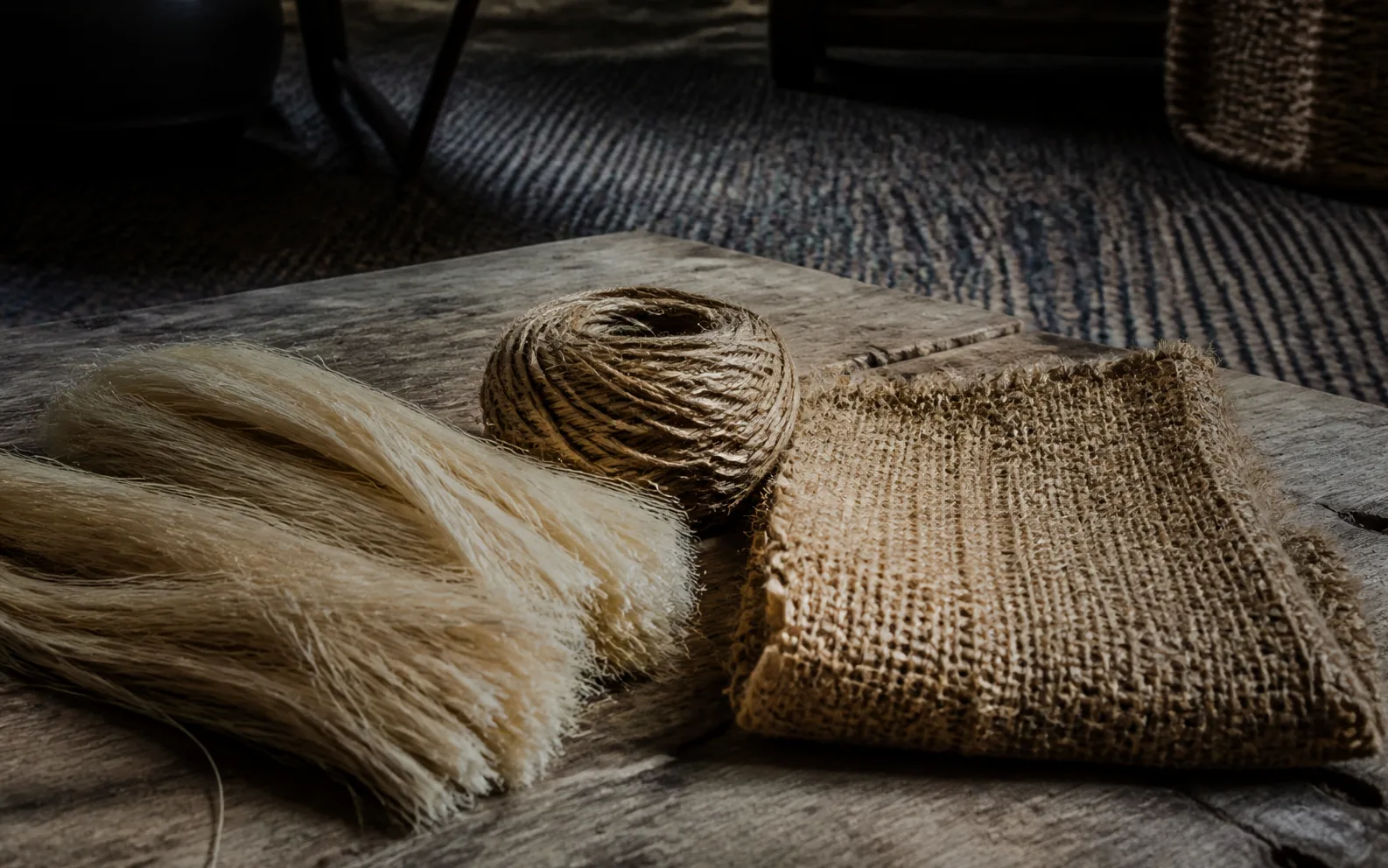
- Jute offers soft, low-saturation colour and is often used as backing or in blends.
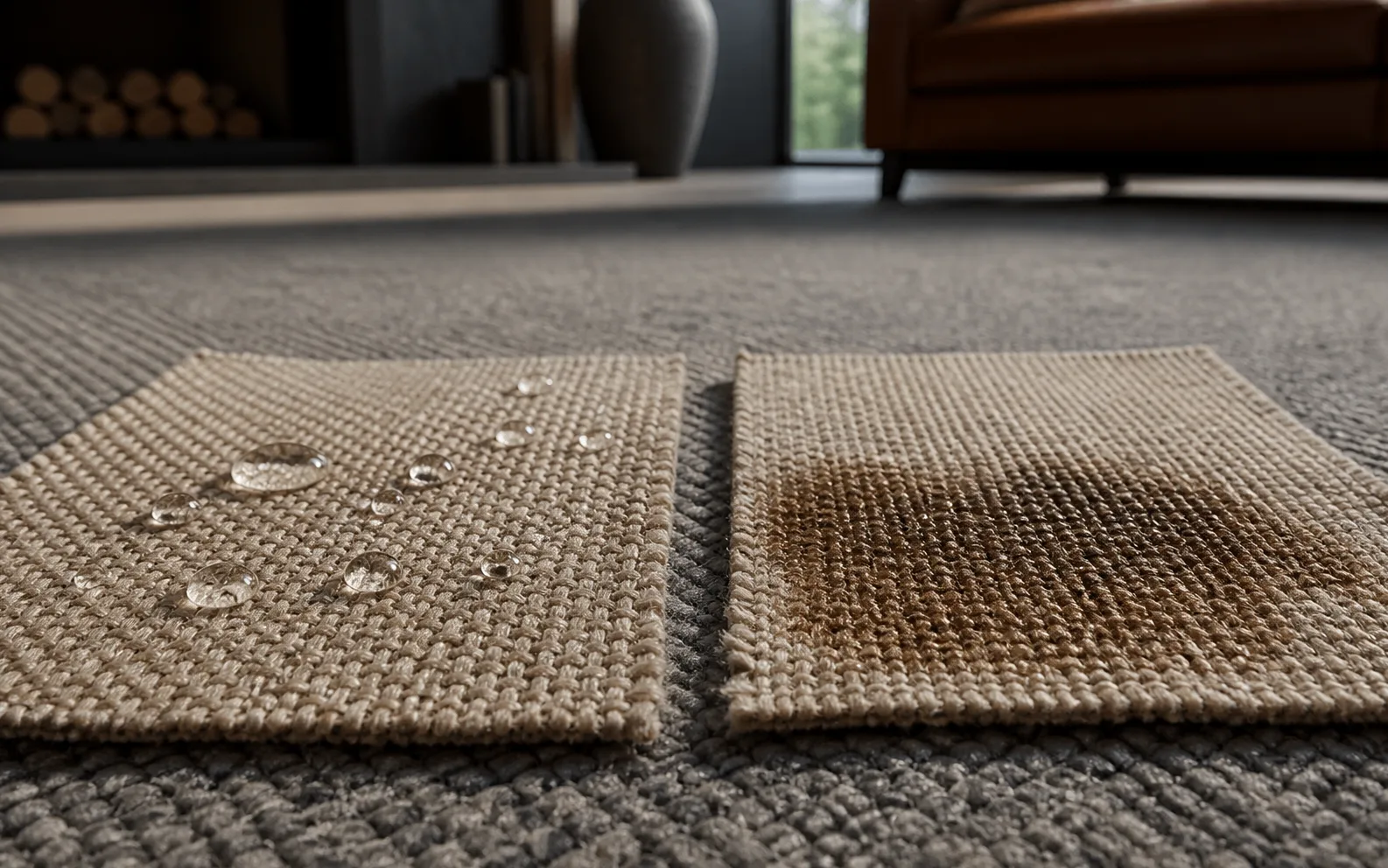
- Natural fibres mark if left wet; confirm the environment and a maintenance plan before ordering.
Texture is the value
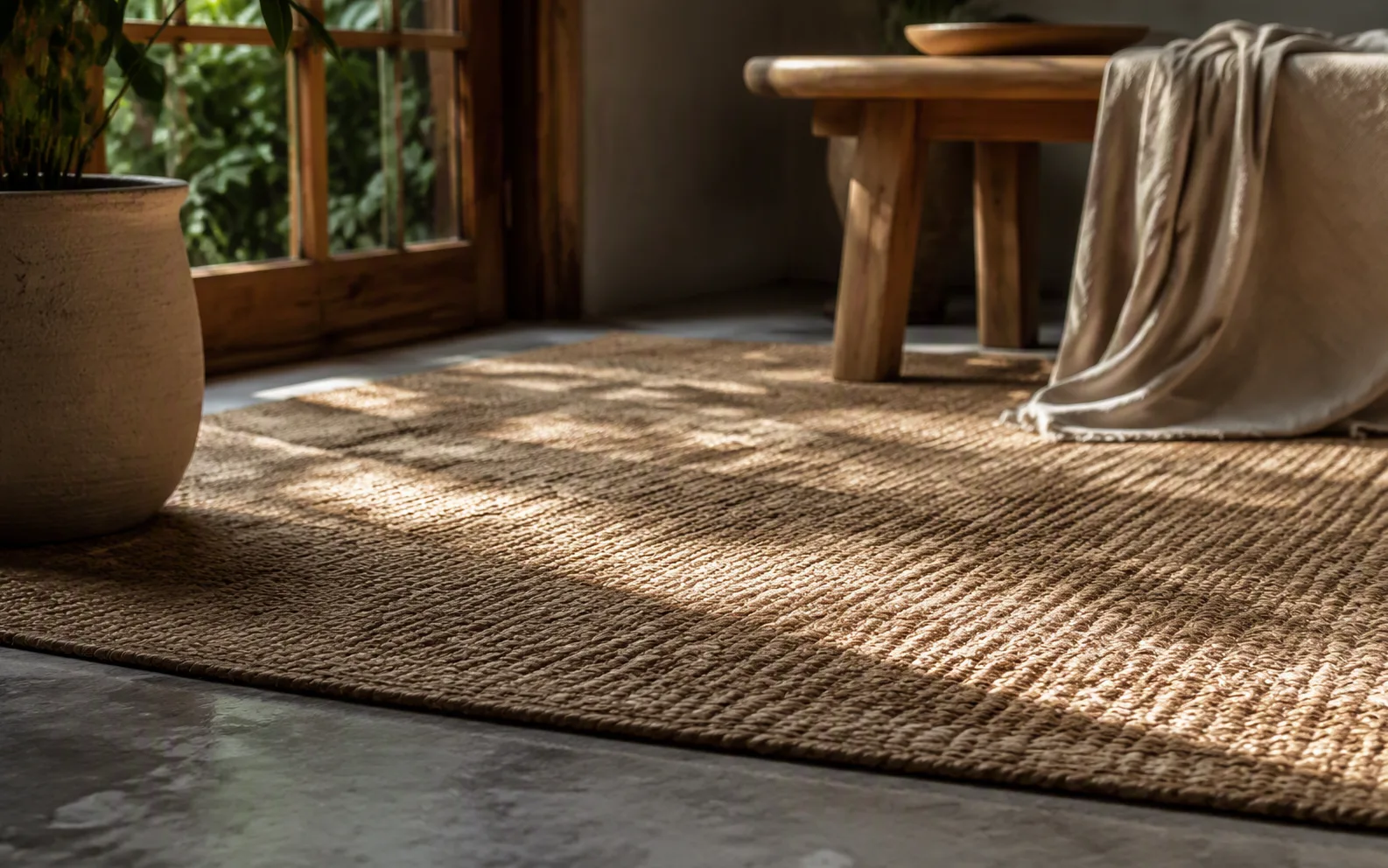
The low-saturation tones and irregular lustre of natural fibre are hard for synthetic yarn to imitate — which is why these carpets appear in resort hotels, wellness corridors and homes that favour an organic feel. Their matte surface reflects light softly and reads as one composition with timber, stone and lime walls.
State the limits first
Natural fibres behave differently from wool around water and stains: standing water leaves marks and oily spills have a short clean-up window. Design therefore starts from the environment — humidity, sunlight and daily habits all enter the specification. In the right setting their durability surprises people; in the wrong one no craft can rescue them.
Pairing with other crafts
A common approach lays natural fibre across the field and reserves wool or blends for the focal areas; or sisal carries the floor while a hand-tufted piece carries the artwork, letting contrast do the designing. In the factory, hand-woven, sisal and jute run as dedicated lines — pattern and scale are still made to order.