 ADA FLOOR
Open expertise
Hotel carpet: wool or nylon?
ADA FLOOR Design Team · Published 2026-09-18 · Updated 2026-09-20
Wool wins on resilience, burn behaviour and moisture buffering; nylon wins on colourfastness, abrasion and soil release. Fibre choice is a per-zone calculation, not a prestige question.
Key points
Wool wins on resilience, burn behaviour and moisture buffering; nylon wins on colourfastness, abrasion and soil release. Fibre choice is a per-zone calculation, not a prestige question.
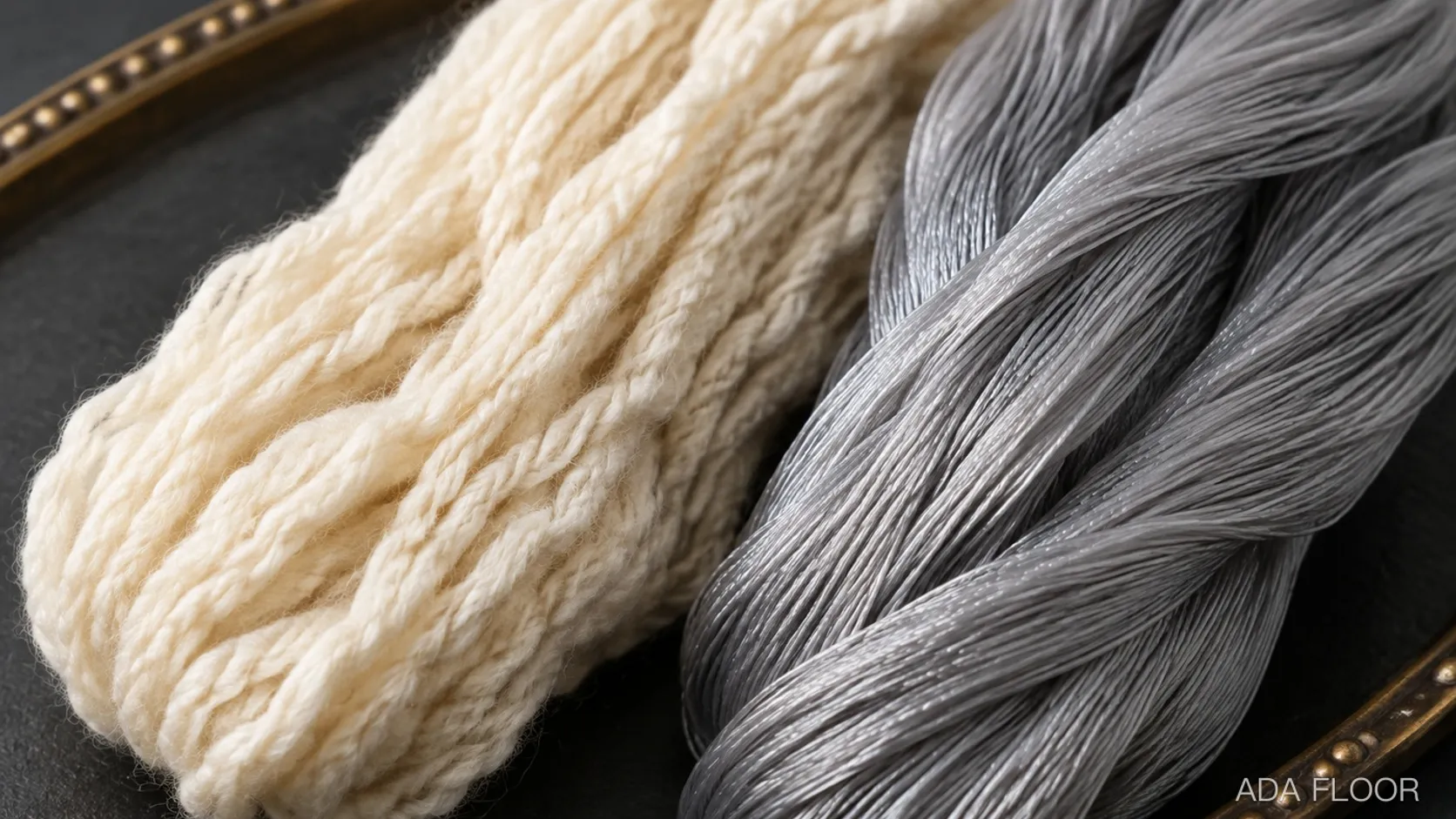
- Lobbies and guest rooms suit wool or high-wool blends.
- Corridors and pre-function areas favour high-density nylon.
- Wool-nylon blends take the strengths of both and are the engineering default.
What wool brings — and where it hurts
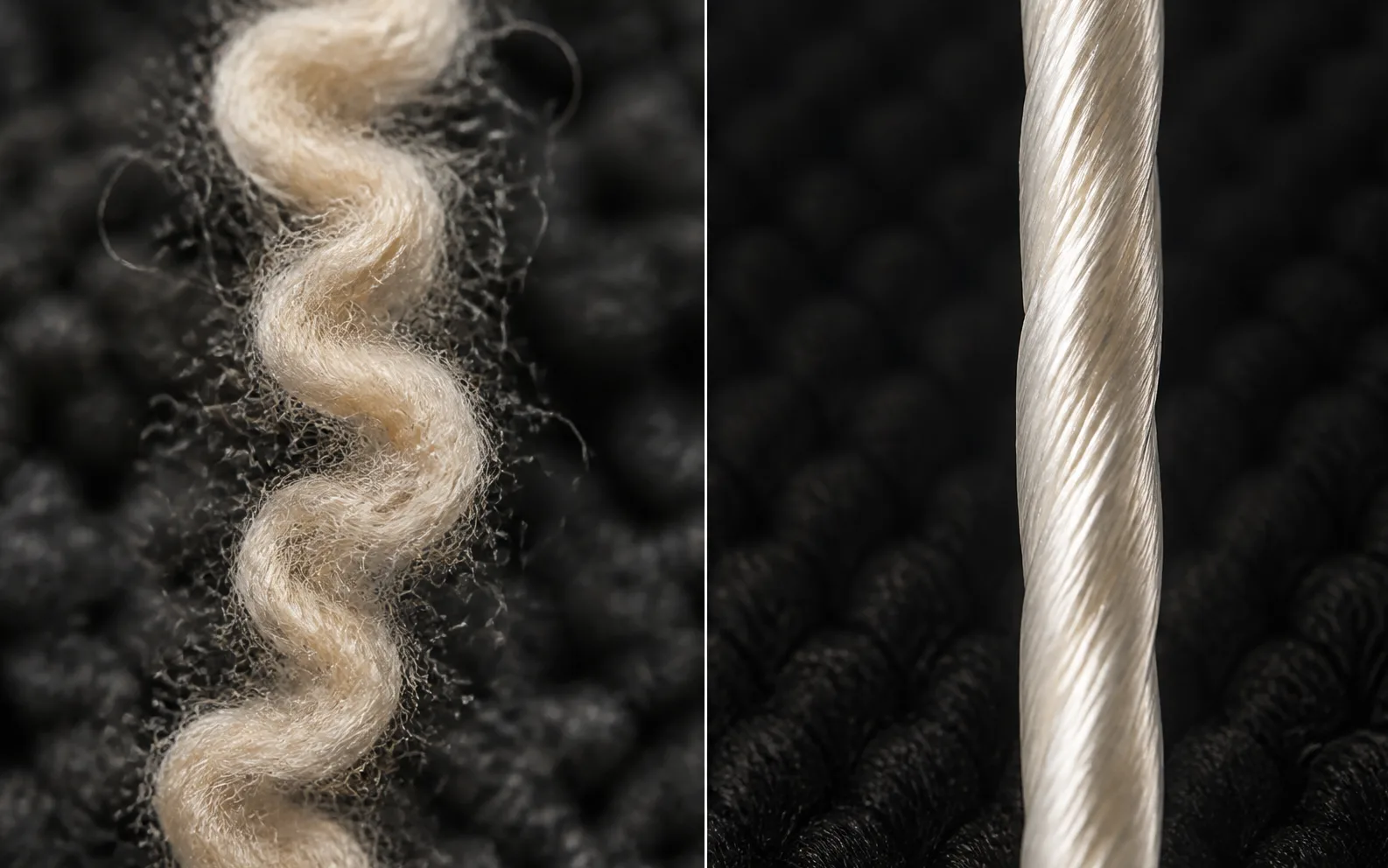
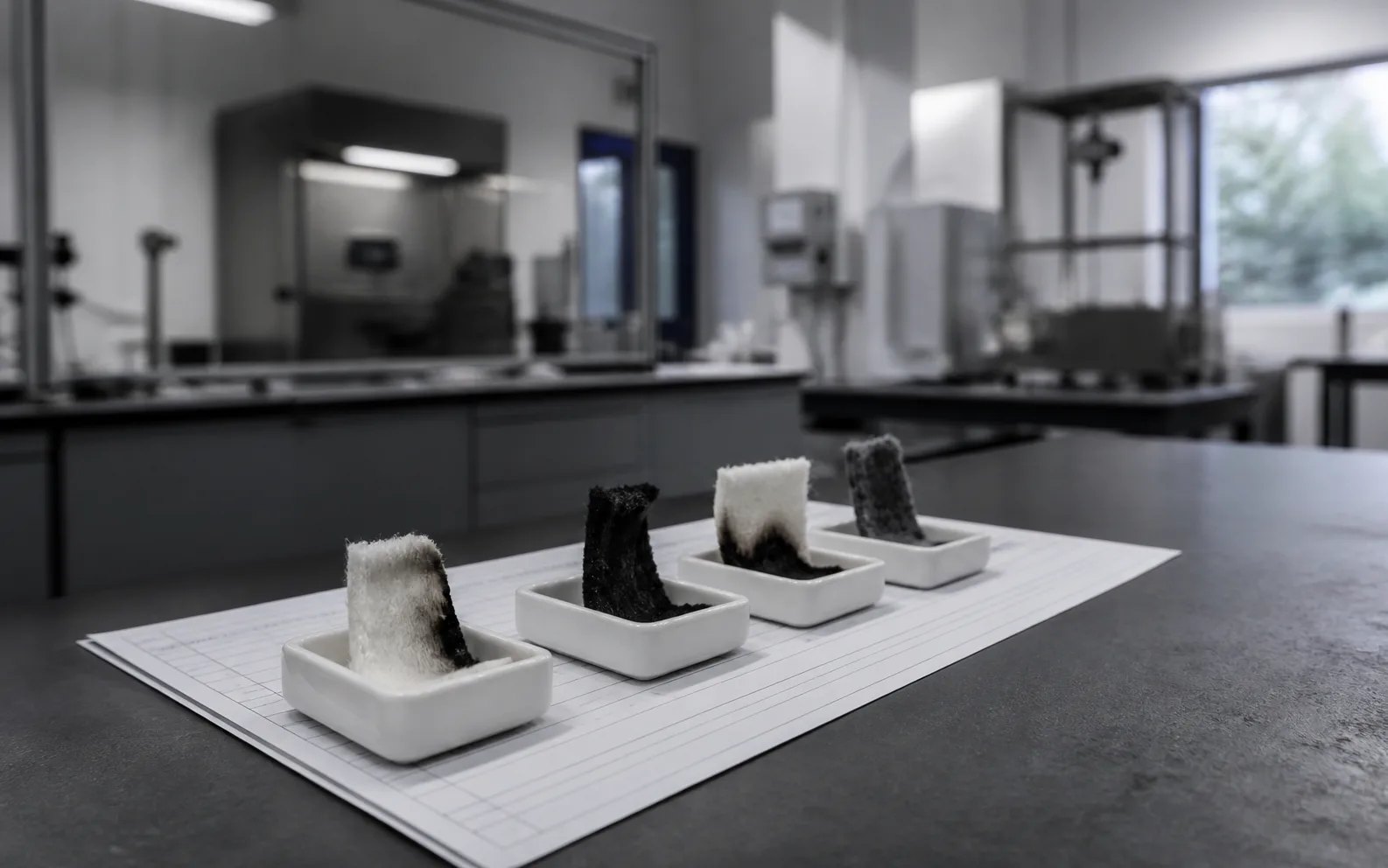
Natural crimp gives bounce-back after compression; wool is inherently flame-resistant and buffers humidity underfoot. Its weaknesses: harsh alkaline or chlorine cleaners, price driven by yarn count, and in coastal humid climates a moisture-managed backing system matters more than the yarn itself.
Where nylon has caught up
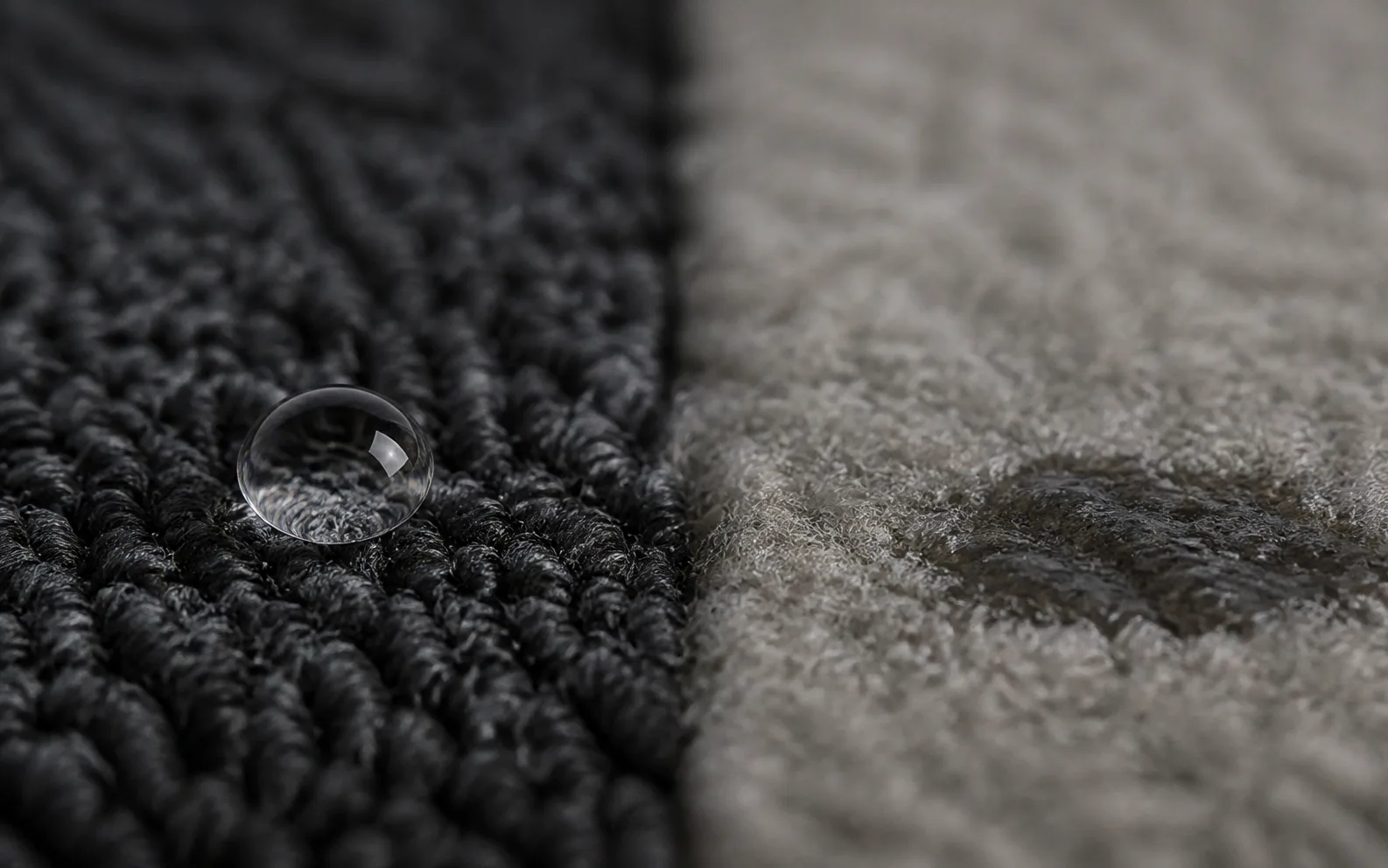
Solution-dyed nylon holds colour and light fastness without yellowing; modern soil treatments widen the clean-up window for water-based spills; its resilience beats polypropylene outright and only top wool competes. Corridors want a surface that stays flat after fifty thousand trolley passes.
Blends are not a compromise
A wool-nylon blended yarn lets nylon carry resilience and abrasion while wool supplies handle and burn behaviour, at a cost below high-count pure wool. Treating blends as 'low end' simply shows a lack of yarn engineering; suspiciously vague '100% wool' claims deserve the harder questions.
Making one design read as one design
Visual unity comes from a shared pattern and pile-height system, not a single fibre. Colour-match separate yarn cards for wool and nylon zones under the real lighting, approve joined samples, and detail the transitions.